
Why Is My Resin Sticky? Complete Fix Guide for Beginners
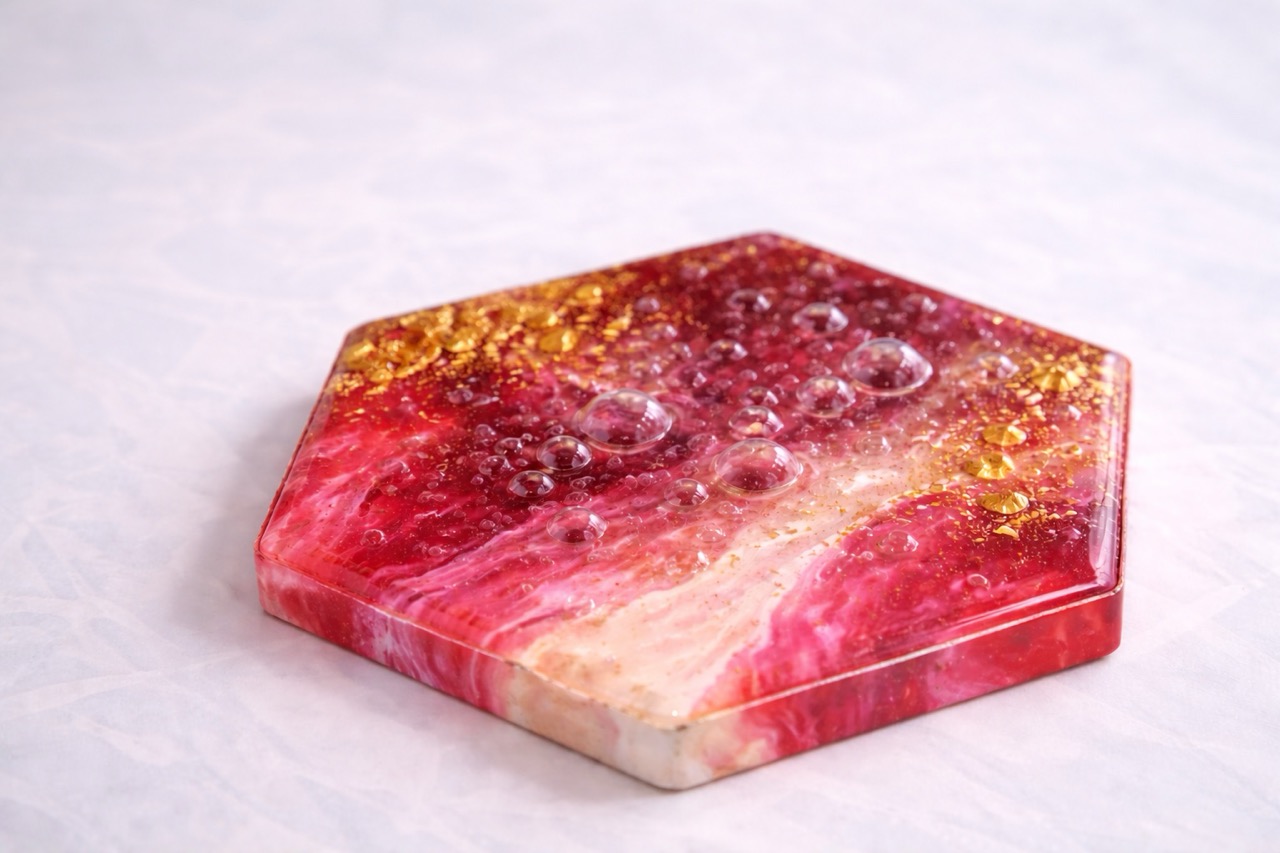
Finished your resin project but it feels sticky or soft? Don't worry — this is one of the most common problems beginners face in epoxy resin art. The good news? Sticky resin is fixable — and easy to avoid once you understand why it happens.
This guide will help you understand why resin becomes sticky, how to fix it, and how to avoid it in future projects.
What Does Sticky Resin Mean?
Sticky resin usually means your resin has not cured properly. Instead of becoming hard and glossy, it may feel:
- Tacky
- Soft
- Rubbery
- Wet or oily
This happens when the chemical reaction between resin and hardener is incomplete.
Top Reasons Why Resin Becomes Sticky

1. Incorrect Resin Mixing Ratio (Most Common Reason)
This is the biggest mistake beginners make. If the ratio of resin and hardener is wrong, resin will not cure and the surface will remain sticky.
For example, if your resin requires a 3:1 ratio, changing it even slightly can cause failure.
Always measure accurately. Never guess quantities.
2. Improper Mixing
Even if your ratio is correct, poor mixing can cause sticky spots. Unmixed resin stays on the sides or bottom of the cup and that part never cures properly.
Mix slowly for 3–5 minutes. Scrape the sides and bottom of the cup thoroughly.
3. Low Temperature (Very Important)
Resin does not cure well in cold conditions. Signs include resin staying soft for a long time or having a cloudy, thick texture.
Work in a warm environment around 24–30°C. Keep the room slightly warm during curing.
4. Not Enough Curing Time
Sometimes resin just needs more time. Epoxy resin can take 48–72 hours to fully cure.
Wait longer before touching. Avoid disturbing the piece during curing.
5. Too Much Hardener (Common Myth)
Many beginners think adding extra hardener will cure resin faster. This is wrong. It breaks the chemical balance and resin will stay sticky.
Always follow the exact ratio. Never try to speed up curing by adding more hardener.
6. High Humidity or Moisture
Moisture in the air can affect curing and result in a sticky surface or uneven finish.
Work in a dry environment. Avoid very humid conditions.
7. Pouring Too Thick Layers
If the resin layer is too thick, heat cannot escape properly and curing becomes uneven.
Pour in thin layers and build thickness gradually.
How to Fix Sticky Resin
Fix 1: Apply a Fresh Resin Layer
If the surface is slightly sticky, mix a fresh batch correctly and pour a thin layer on top. This often seals and fixes the issue.
Fix 2: Let It Cure Longer
Sometimes resin just needs more time. Wait an additional 24–48 hours in a warm area before deciding it has failed.
Fix 3: Remove Sticky Resin (Worst Case)
If resin is still very soft after extra time, scrape off the uncured resin, clean the surface, and start again. This is only necessary when the ratio was completely wrong.
How to Avoid Sticky Resin
Follow these simple rules every time:
- Measure resin accurately
- Mix slowly and properly
- Work in warm temperature
- Do not rush curing
- Follow instructions exactly
These steps will give you a perfect, glossy resin finish every single time.
Special Note for UV Resin Users
If you are using UV resin, sticky resin usually happens due to not enough UV exposure, thick layers, or a weak UV lamp.
Cure again under UV light and use thinner layers next time.
- Sticky resin almost always means the resin has not cured properly
- Incorrect mixing ratio is the most common cause
- Always work in a warm environment (24–30°C)
- Never add extra hardener to speed up curing
- A fresh thin layer on top can often fix a slightly sticky surface
Frequently Asked Questions
Why is my resin sticky after 24 hours?
It may need more time or the mixing ratio may have been incorrect. Wait an additional 24 hours in a warm space before taking any action.
Can sticky resin ever harden on its own?
Sometimes yes, with more time or gentle warmth. But if the ratio was wrong, it will likely stay sticky.
Can I touch sticky resin?
Avoid touching uncured resin. It can irritate skin and leave fingerprints that ruin the finish.
Can I fix sticky resin without removing it?
Yes, by adding a new properly mixed layer on top. This works well for surfaces that are only slightly tacky.
Why is my resin sticky in one spot only?
This usually means improper mixing. The resin on the sides or bottom of the cup was not fully incorporated before pouring.