
What is UV Resin? Beginner Guide + Comparison with Epoxy Resin
New to resin art and confused about UV resin? You're not alone. Many beginners want to know how UV resin works and whether it's better than epoxy resin. This guide will help you understand what UV resin is, how it works, and which type is right for your projects.
If you want quick and easy resin results, this guide is for you.
What is UV Resin?
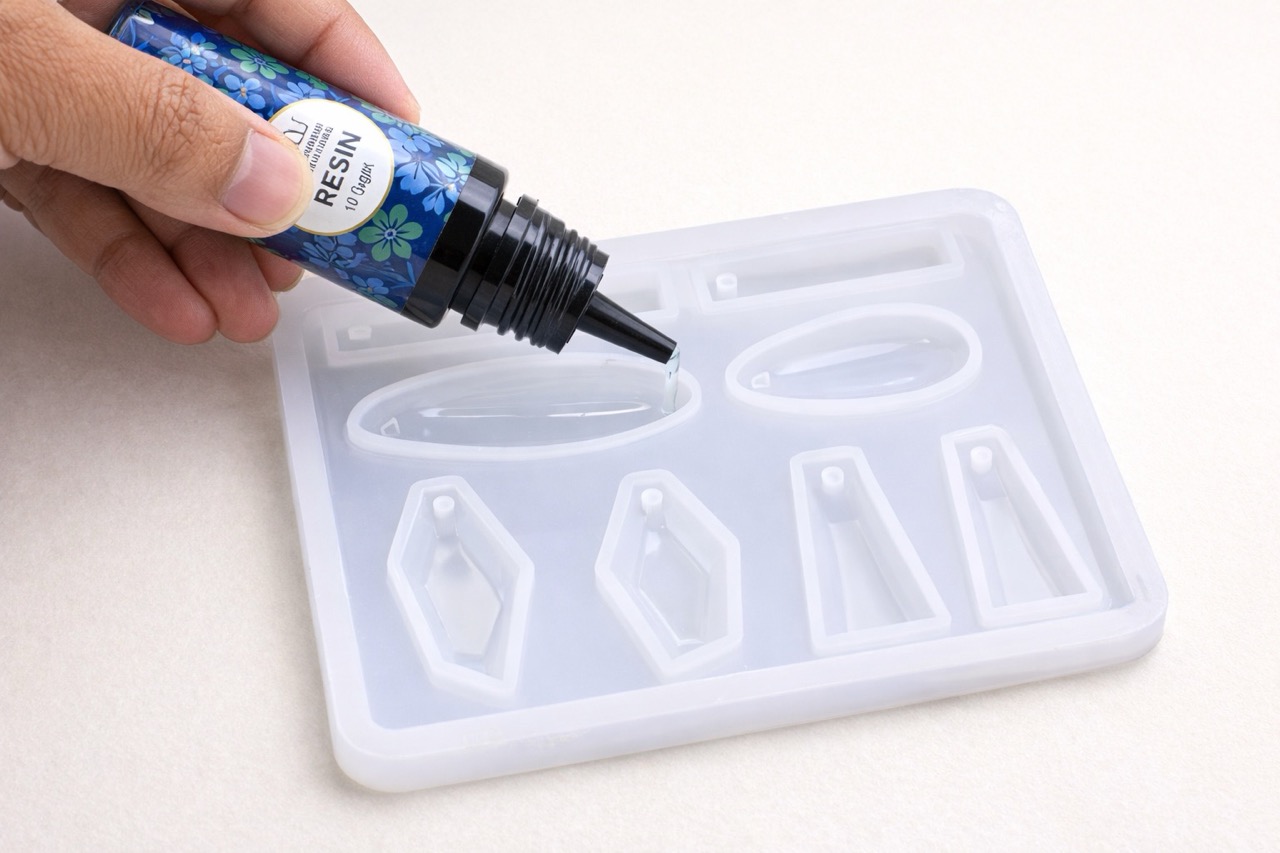
UV resin is a ready-to-use liquid resin that hardens when exposed to UV light. Unlike epoxy resin, it requires no mixing and no measuring — it comes ready to use directly from the bottle.
No mixing means no ratio mistakes. UV resin is one of the easiest ways to start resin art with immediate results.
How Does UV Resin Work?
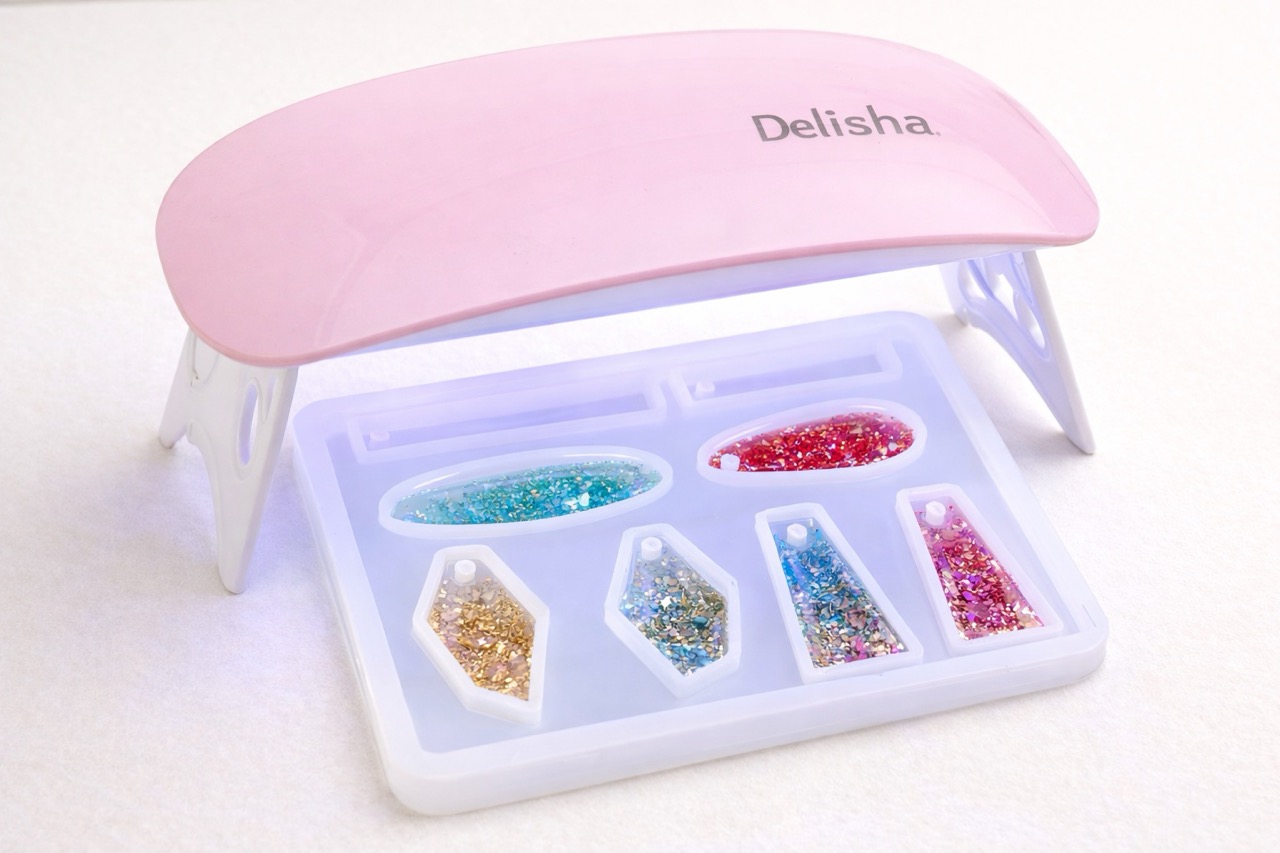
UV resin works through a simple process called UV curing. Here is how it works step by step:
Pour UV resin
Pour UV resin into your mould or onto your surface. No mixing required.
Add colours and decorations
Add glitter, pigment, or small decorative items to personalise your piece.
Place under UV lamp
Put your mould under a UV lamp. The UV light triggers a chemical reaction that turns liquid resin solid.
Resin hardens in 5–10 minutes
In just minutes your piece is cured and ready to remove from the mould.
Is UV Resin Better Than Epoxy Resin?
This is one of the most common questions from beginners. The answer is: it depends on what you want to create. Neither is better overall — they are simply suited to different types of projects.
UV Resin — Best for Beginners and Small Projects
- No mixing required
- Fast curing in minutes
- Easy to use with less mess
- Best for jewellery, keychains, charms, and small crafts
Epoxy Resin — Best for Large Projects
- Strong and durable finish
- Longer working time for complex designs
- Ideal for thick pours
- Best for coasters, tables, wall art, and large designs
Choose UV resin for quick, small projects. Choose epoxy resin for bigger and more detailed work.
| Feature | UV Resin | Epoxy Resin |
|---|---|---|
| Mixing | Not required | Required |
| Curing Time | 5–10 minutes | 24–48 hours |
| Best For | Small items | Large projects |
| Ease of Use | Very easy | Moderate |
Can Beginners Use UV Resin?
Yes — UV resin is perfect for beginners and is often the best starting point for resin art.
Why beginners love UV resin:
- No complicated mixing or ratio calculations
- Quick results with no long waiting time
- Easy to control and correct
- Less chance of making mistakes
Even your first project can look clean and professional with UV resin.
What Can You Make with UV Resin?
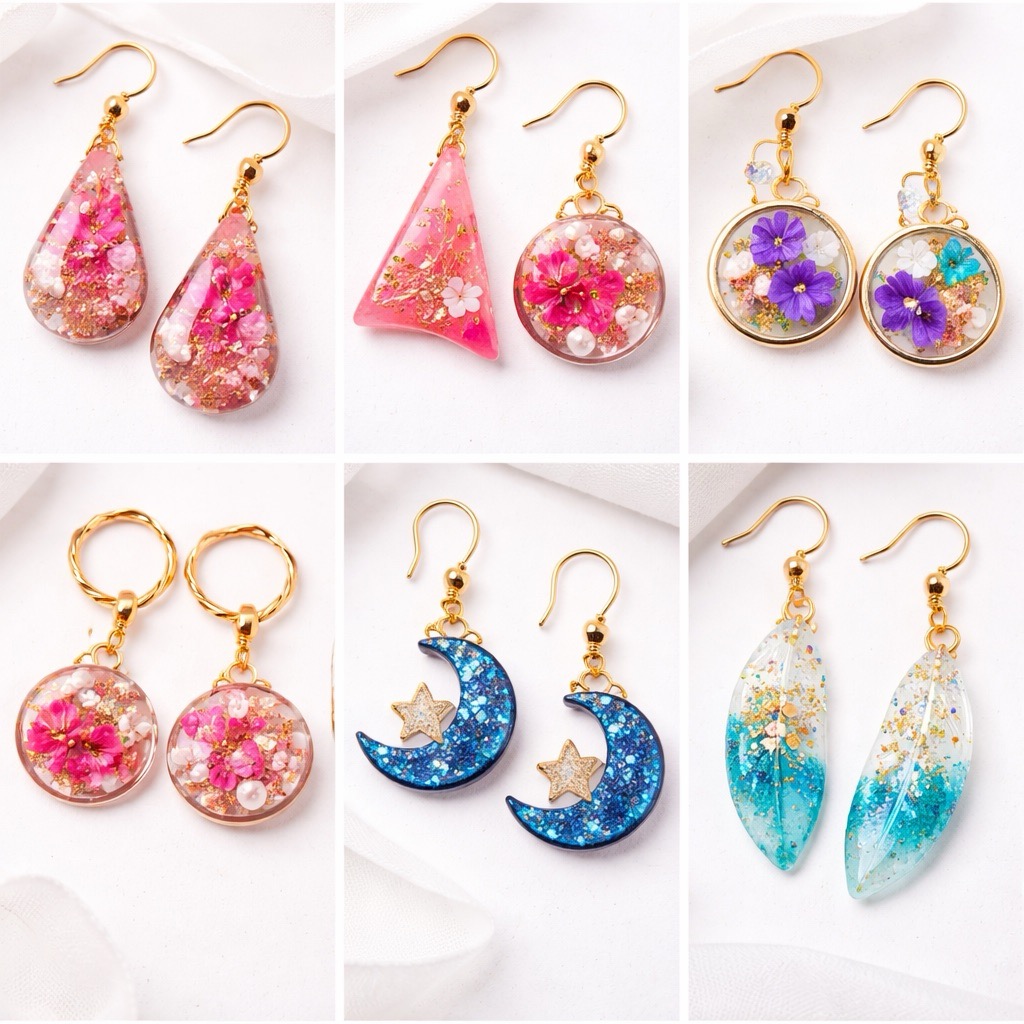
UV resin is perfect for small, creative, and detailed projects:
- Earrings and pendants
- Keychains and charms
- Small decorative items
- Name tags and accessories
- Mini mould art
Things to Keep in Mind with UV Resin
- Always cure under a UV lamp for consistent results
- Use thin layers for proper curing throughout
- Avoid touching resin before it is fully cured
- Work on a clean, dust-free surface
Pro Tips for UV Resin Beginners
- Start with small moulds to practise control
- Use less glitter for better clarity
- Cure again if the surface feels sticky
- Try different colour combinations to develop your style
- UV resin needs no mixing — it is ready to use straight from the bottle
- It cures in just 5–10 minutes under a UV lamp
- UV resin is best for small projects like jewellery and keychains
- Epoxy resin is better for large, thick, or complex projects
- UV resin is the easiest way for beginners to start resin art immediately
Frequently Asked Questions
How long does UV resin take to cure?
Usually 5–10 minutes under a UV lamp. Some thicker pieces may need a second round of curing.
Can UV resin cure without UV light?
Yes, UV resin can cure under direct sunlight, but it is slower and less consistent than a UV lamp.
Is UV resin safe?
Yes, when used properly. Avoid skin contact with uncured resin and wash hands after use.
Is UV resin better than epoxy resin?
Not better — just different. UV resin is easier and faster for small projects, while epoxy resin is stronger and more suitable for large or thick pieces.
Why is my UV resin still sticky after curing?
This usually means it needs more UV exposure or was poured too thick. Place it under the UV lamp for another 2–5 minutes and cure in thinner layers next time.