Empowering Parents: Your Guide to Nurturing Your Child's Curiosity
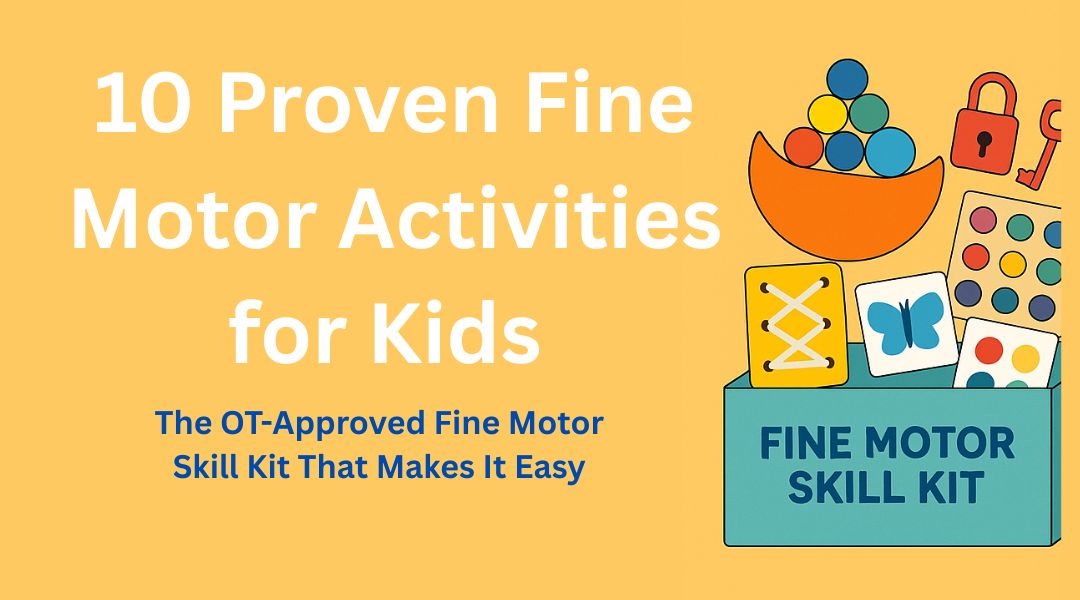
10 Proven Fine Motor Activities for Kids
Fine motor skills are the small but mighty movements that allow children to button shirts, hold pencils, use scissors, pick up tiny objects, and participate confidently in daily activities.For many children — especially those with Autism, ADHD, developmental delays, weak hand strength, or poor finger control — fine motor skills can feel challenging. The good news? With simple, structured activities, these skills can be strengthened at home.. ............
Read More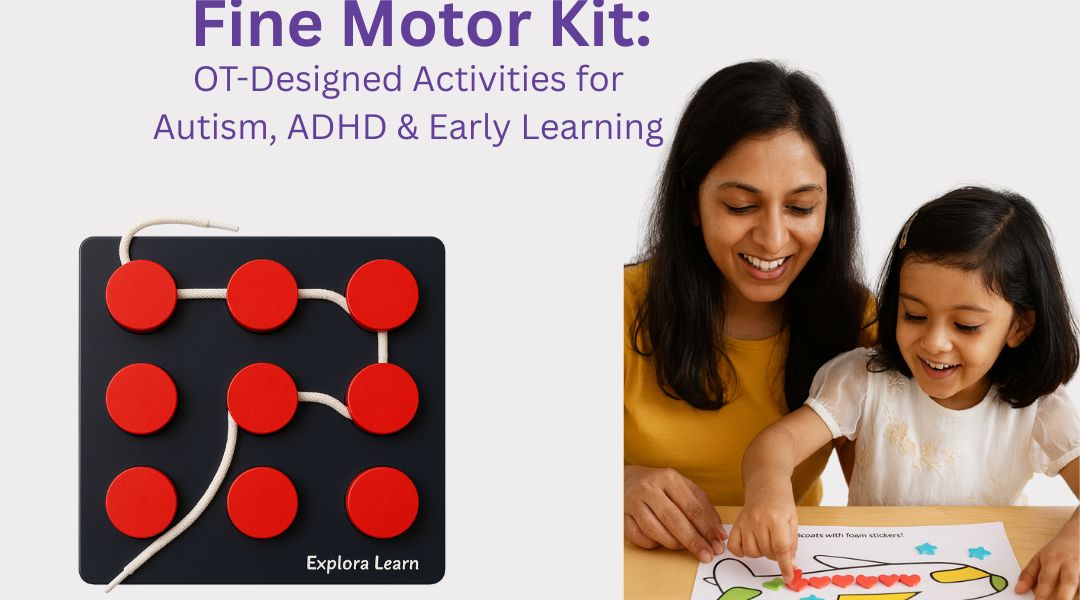
Fine Motor Skill Kit for Kids: OT-Designed Activities for Autism, ADHD & Early Learning
Fine motor skills form the foundation of writing, self-care, academic readiness, and independence. For children with Autism, ADHD, developmental delays, or weak hand strength, improving these skills early can dramatically boost confidence, focus, and everyday functionality.. ............
Read More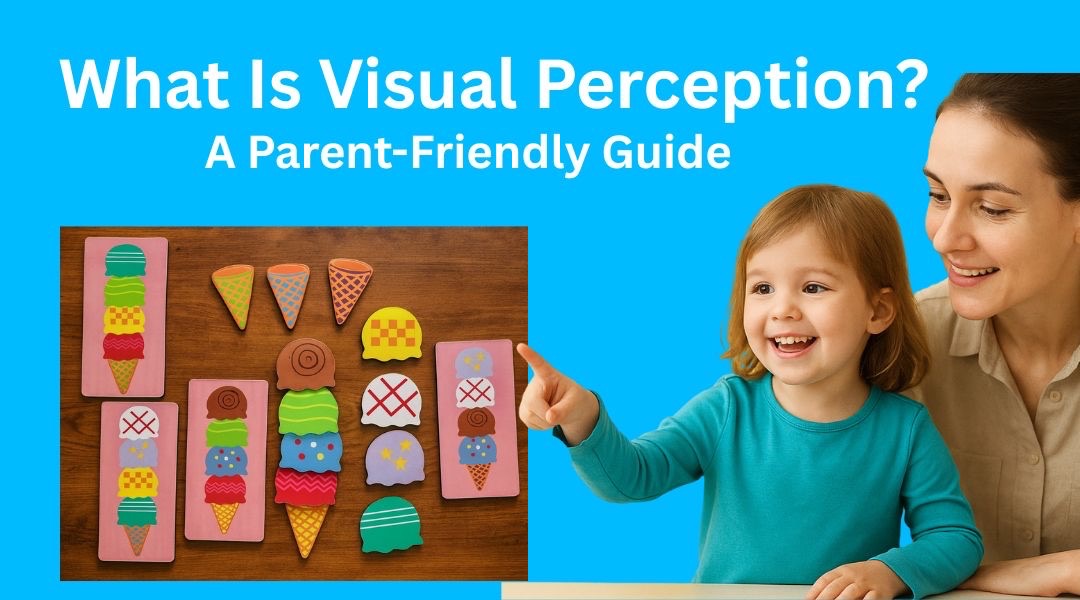
What Is Visual Perception? A Parent-Friendly Guide + How to Improve It at Home
Visual perception is more than just “seeing.” It’s the brain’s ability to interpret, understand, and organise what the eyes see. It is one of the most important early learning skills for children — especially those with Autism, ADHD, developmental delays, or attention difficulties.. ............
Read More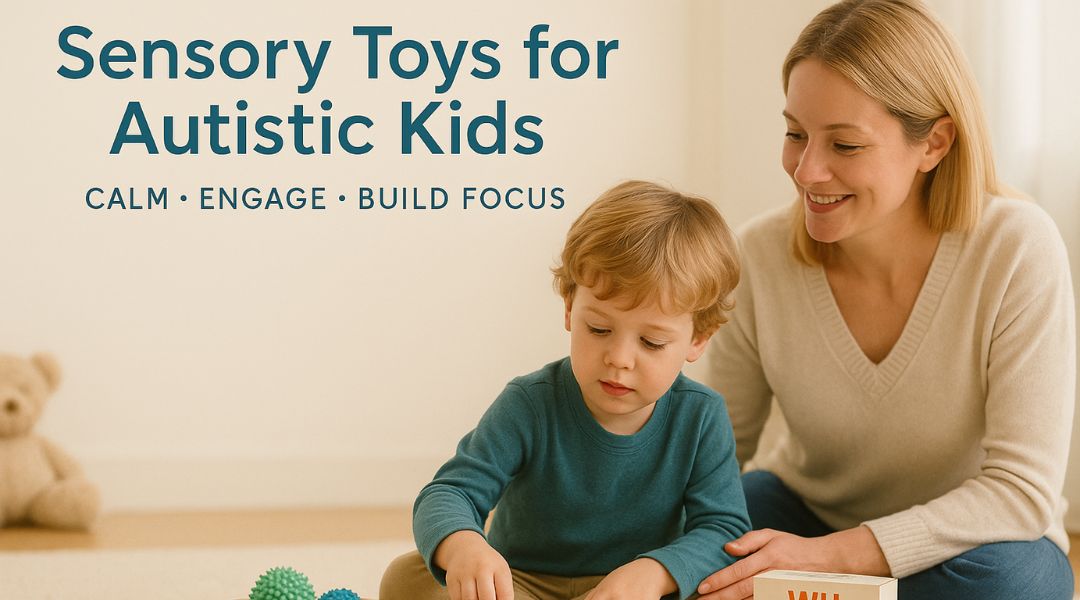
Sensory Toys for Autistic Kids – Calm, Engage & Build Focus
Children on the autism spectrum may experience heightened or reduced responses to sound, touch, light, or movement. The right sensory toys help regulate these sensations so children can feel calm, concentrate better, and process information at their own pace. ............
Read More
Occupational Therapy Tools for Kids – 7 Must-Have Activities You Can Do at Home
Regular sessions with an occupational therapist are essential, but progress is fastest when practice continues at home. Just 15 minutes a day with the right tools can improve fine motor control and grip strength, enhance attention and hand–eye coordination, ............
Read More
10 Best Speech Therapy Toys for Kids - That Actually Work at Home
If your little one finds it hard to express words, name objects, or answer simple questions — you’re not alone. Many parents start noticing delayed speech or limited vocabulary around ages 2 to 4 and aren’t sure what to do next...........
Read More
Understanding WH Questions: The Building Blocks of Your Child’s Communication Skills
If you’ve ever wondered how children begin to understand their world—how they make sense of people, places, time, actions, and reasons—it all starts with six simple words: Who, What, Where, When, Why, and How............
Read More
Creating Balance: Helping Your Child Develop Healthy Screen Habits
Discover effective strategies to manage your child's screen time. Learn to set boundaries, encourage offline activities, and build lifelong healthy technology habits............
Read More
Fostering Harmony: Building Strong Sibling Relationships
Discover practical strategies to reduce sibling rivalry and nurture strong bonds. Learn how to encourage teamwork, resolve conflicts, and celebrate each child's individuality...........
Read More
Cracking the Code: Toilet Training Made Simple
Ease toilet training challenges with actionable strategies and expert tips. Learn to create a welcoming environment, recognize readiness signs, and turn setbacks into progress..........
Read More
Encouraging Healthy Eating Habits in Your Child
Discover creative and stress-free strategies to manage picky eating. Help your child develop a love for healthy foods with gradual introductions, fun presentations, and positive mealtime routines.........
Read More
Making Bedtime Peaceful: Helping Your Child Sleep Calmly
Transform bedtime struggles into peaceful routines with these practical tips. Learn how to address fears, establish schedules, and create calming habits for better sleep........
Read More
Helping Your Child Thrive Through Separation Anxiety
Do you find it hard to leave your child, even for a short time, because they cling to you or cry uncontrollably? Separation anxiety is a common phase that many children go through, especially between the ages of 2 and 6........
Read More
Managing Hyperactivity in Children: A Parent’s Guide
As a parent, have you ever felt like your child is a whirlwind of energy—constantly jumping, running, and climbing without taking a moment to pause? While such behavior can sometimes be overwhelming, especially when it disrupts........
Read More
Helping Your Child Build Social Skills: A Friendly Guide for Parents
Do you notice your child playing alone more often than not or avoiding other kids at the playground? If so, you’re not alone. Many parents worry when their child seems hesitant to connect socially. It’s perfectly normal for some kids to be shy or reserved, but when social withdrawal becomes a pattern, it might be time to offer some extra support........
Read More
D Gukesh: World’s Youngest Chess Champion – Lessons for Aspiring Parents and Prodigies
Discover the inspiring journey of D Gukesh, the world’s youngest chess champion. Learn how parental support, dedication, and alternative education shaped his success. Valuable insights for nurturing prodigies........
Read More
Helping Your Child Overcome Speech Delays: A Parent's Guide to Support and Success
As parents, it can be concerning when your child isn’t speaking as much as their peers. Whether they’re using only a handful of words or struggling to form sentences, speech delays are a common challenge. The good news is that most children can overcome these delays with proper support and encouragement.......
Read More
Helping Your Child Stay Focused: Proven Tips for Parents to Nurture Attention
Parenting a young child is a joyful journey filled with exploration, learning, and discovery. But let’s be honest—keeping your child focused can feel like an uphill battle. One minute they’re enthusiastically stacking blocks, and the next, they’re halfway across the room chasing a butterfly (real or imaginary). It’s a common struggle for parents......
Read More
Mastering Tantrums: Turning Meltdowns Into Meaningful Moments
Every parent has faced it—the dreaded tantrum. One moment, your child is happily playing, and the next, they’re on the floor, screaming and crying over something as small as a broken crayon. Tantrums can feel overwhelming......
Read More
Unlock Your Child’s Potential with Flashcards (Ages 1-6)
Flashcards are an engaging and effective tool for children aged 1-6. Here’s why they are so important and how they help kids learn essential topics. ......
Read More
The Rise of Myopia in Indian Kids: Reasons, Remedies, and Tips for Parents
Myopia, or nearsightedness, has become a growing concern among Indian children, with more cases being reported each year. This trend is not just limited to urban areas but is spreading across rural regions as well. ......
Read More
Best Playschool for Your Child: Tips & Common Mistakes to Avoid
By considering these factors, following the tips, and avoiding common mistakes, you can make an informed decision and choose the best playschool for your child. A good playschool experience can set the stage for a lifetime of learning and growth. ......
Read More
Top Play School Franchises in India
The play school franchise business is highly profitable due to the increasing demand for quality early education in India. By selecting the right franchise, conducting thorough market research, ......
Read More
हिंदी वर्णमाला: स्वर और व्यंजन और उदाहरण शब्द
हिंदी वर्णमाला में स्वर और व्यंजन के माध्यम से बच्चों को भाषा का ज्ञान देने के लिए, हर अक्षर के साथ 3-4 शब्दों के उदाहरण दिए गए हैं। यह जानकारी छोटे बच्चों की शिक्षा के लिए उपयोगी है।......
Read More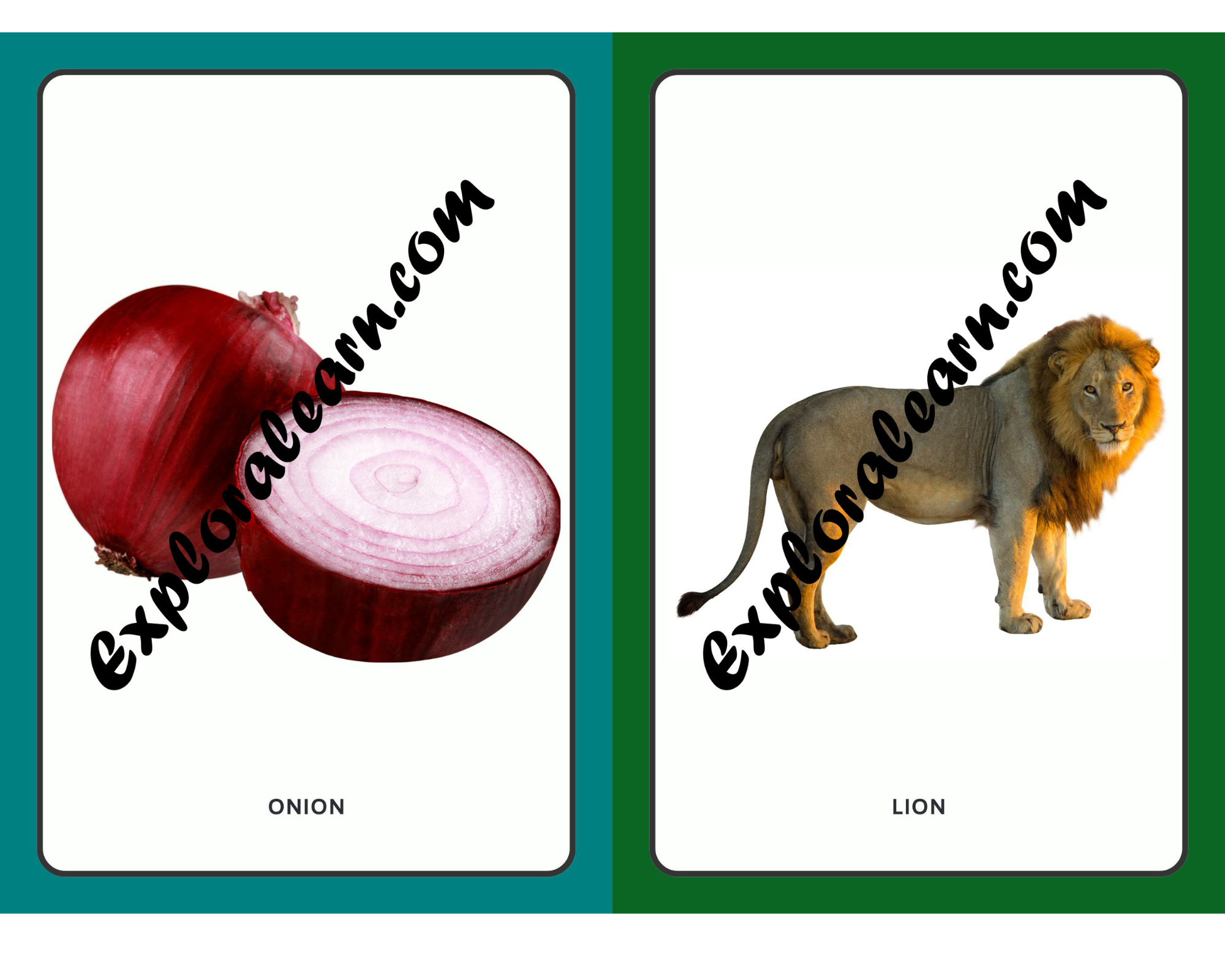
Top 10 Theme - Nursery Flashcard for school
Flashcards are a fantastic tool to help young children absorb essential knowledge through fun visuals. Here's why each of our nursery flashcard topics is so crucial for early development......
Read More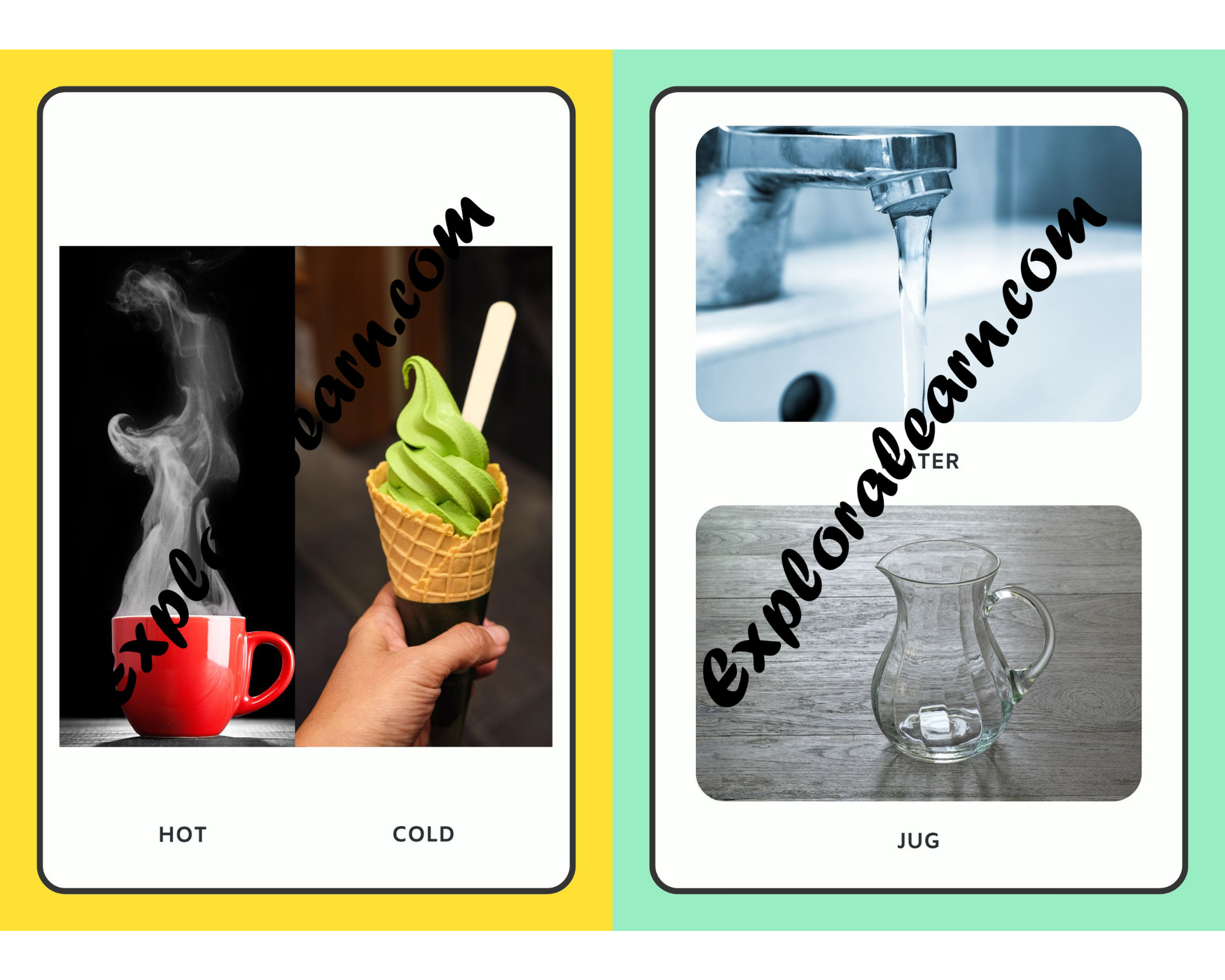
Top 10 Theme - LKG Flashcards for school
These flashcards serve as an engaging way for LKG children to learn essential concepts through play, visual recognition, and connection-building. Each topic contributes to a foundational understanding of the world, supporting cognitive, language, and social......
Read More
Top 10 Theme - UKG | KG | Sr. KG Flashcards for school
These flashcards for UKG students serve as engaging tools to broaden their horizons, encouraging curiosity and supporting cognitive, social, and emotional growth. Each topic introduces foundational concepts that lay the groundwork for their continued education......
Read More
Developing Social Skills in Children
In today’s world, social skills like teamwork and empathy are just as critical as academic learning for a child’s overall development. Teaching children these skills early lays a strong foundation for healthy relationships, effective communication, and a positive outlook toward collaboration......
Read More
What Are Long Vowels? Understanding Long and Short Vowel Sounds
Difference Between Long Vowels and Short Vowels? How to Teach a Child Long Vowel Sounds? Why Is Learning Long Vowel Sounds Important?.....
Read More
The Power of Reading Aloud
Reading aloud to children is one of the most powerful tools parents and caregivers can use to foster language development, build comprehension skills, and spark a lifelong love of learning.....
Read More
What are Sight Words for Kindergarten
Sight words are special words that we often see and use when we read or write. These words are so common that we don’t want to sound them out letter by letter every time. Instead, we want to remember them just by looking at them—like recognizing a friend’s face! Words like "the," "and," "can," "you," and "said" are all sight words....
Read More
What is Phonics and why Learning ‘Phonics sound’ is Important?
Phonics sounds are the distinct noises that letters and combinations of letters make in words. For example, the letter "B" sounds like /buh/ in "ball", and when you combine "C" and "H," they make a /ch/ sound as in "chair". This concept is crucial in helping learners read by ...
Read More
Nurturing the Foundations: The Vital Role of Early Learning in the 0-12 Age Group
The first twelve years of a child's life are a crucial time for their growth and development. During this phase, there are major changes happening in the brain, making it the perfect opportunity for developing important skills...
Read More
7 Ways To Improve Your Kid's Handwriting
One of the most important things that always stays with a person and defines them is their handwriting. Writing is a task that we learn as kids and improve over time. Parents try to give thick crayons to their kids to make sure that they learn how to hold a pencil and then, have better handwriting. Cursive writing books ...
Read More
Top 10 Story Books That Teach Kids Under 5 About Kindness
Aesop said, “No act of kindness, no matter how small, is ever wasted.” Like any other parent, you too would want your child to have all the moral values that you have and learn the things that you learnt as a child from being honest ...
Read More
Complete Preschool | Playgroup Curriculum
Discover the comprehensive preschool curriculum by Exploralearn, designed to foster skill development in young kids through a unique learn and play methodology. Explore our educational toys, digital worksheets, and engaging activities for holistic early childhood education..
Read More
Balancing Work and Parenting: Strategies for Managing Time and Stress
Balancing the demands of work and parenting is one of the most challenging aspects of modern life. With the right strategies, you can manage time more effectively and reduce stress, allowing you to succeed....
Read More
Encouraging Positive Behavior in Children: Effective Discipline and Reward Techniques
Teaching positive behavior is a core aspect of parenting. Here are some practical strategies to help guide your child toward good behavior with love and consistency.....
Read More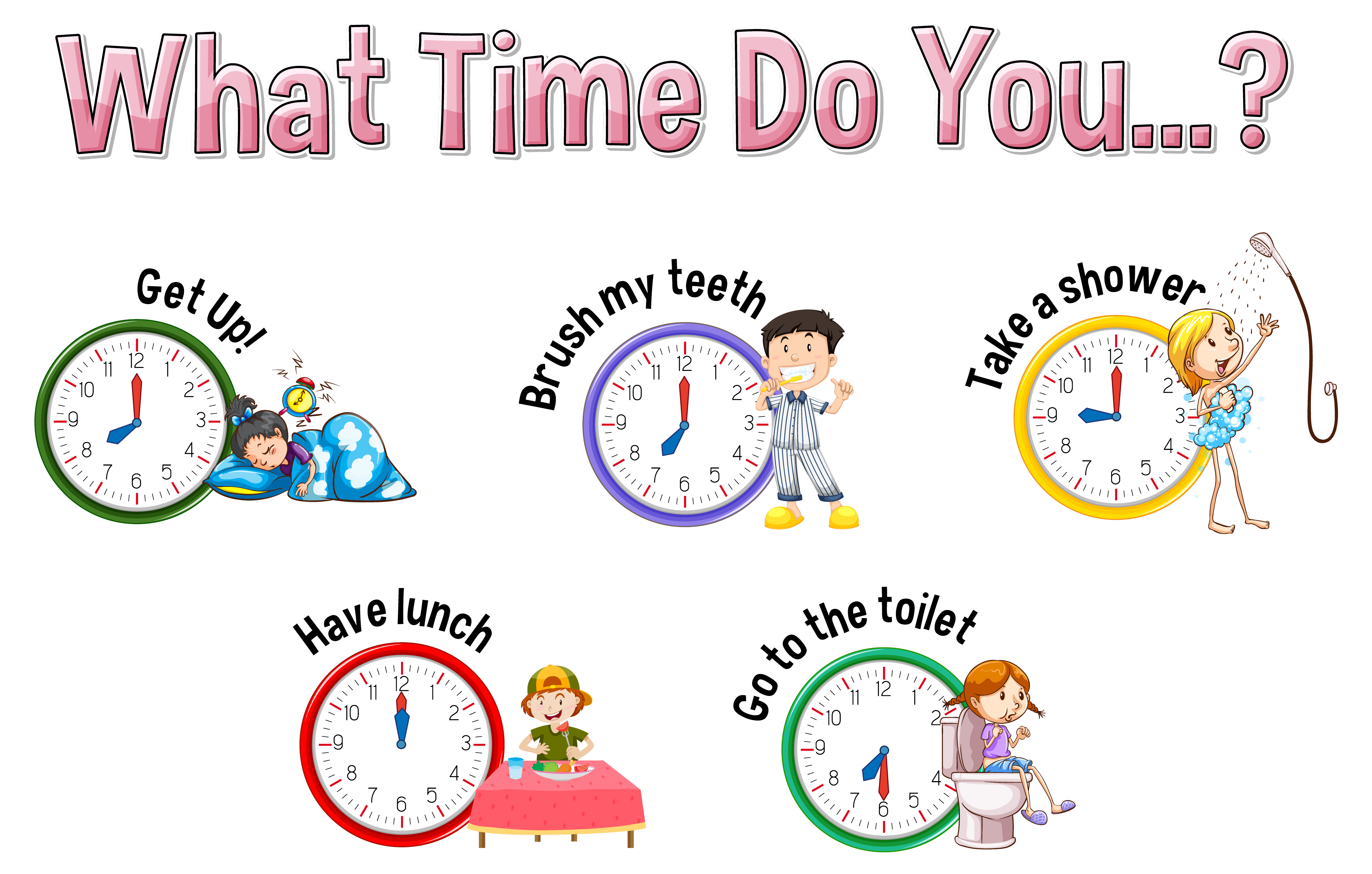
The Importance of Routine for Children: How Routines Help in Child Development
Routines are powerful tools in child development. They provide structure, stability, and a framework for building healthy habits, independence, and emotional resilience. By establishing and maintaining routines, you can create a nurturing environment that supports your child’s growth and well-being.....
Read More
Dealing with Toddler Tantrums: Practical Tips for Calming and Understanding Toddlers
Toddler tantrums are challenging but normal. With patience, empathy, and consistency, you can help your child navigate their emotions and develop healthier ways to express themselves......
Read More
How to Teach the Beginning Sound of "W"
Start by Saying the Sound: Say the sound "W" clearly to the child. Emphasize the "wuh" sound. You can say, "This is the sound that 'W' makes. It sounds like 'wuh'."......
Read More
7 Powerful Personalised Learning Strategies to Implement in Classroom
Adapting instructional methods to suit the diverse learning styles of every child in your classroom is an overwhelming challenge. On the one hand, teachers cannot slow the whole class down to help one or two children. On the other hand,......
Read More
Emotional Outbursts in Kids: Understanding and Managing Anger, Frustration, and Sadness
Emotional outbursts are a natural part of childhood as kids learn to navigate their emotions and develop self-regulation skills. As a parent, witnessing your child struggle with anger, frustration......
Read MoreWhat Are Long Vowels? Understanding Long and Short Vowel Sounds
Vowels are the backbone of the English language, and understanding them is crucial for kids as they learn to read and write. But what exactly are long vowels, and how do they differ from short vowels? Let’s dive into the world of vowel sounds and explore the differences, examples, and effective ways to teach children long vowel sounds.
What Are Long Vowels?
Long vowels are vowels that are pronounced the same way as the letter's name. For instance, when you say the letter "A," you are actually saying its long vowel sound. The same goes for the letters "E," "I," "O," and "U." In simple terms, long vowels "say their name."
Here are examples of long vowel sounds:
- Long A: cake, plane, rain
- Long E: see, tree, heat
- Long I: bike, light, tie
- Long O: boat, nose, rope
- Long U: cute, mule, flute
Difference Between Long Vowels and Short Vowels
Understanding the difference between long and short vowels is key to helping children improve their reading skills.
Short vowels do not sound like their letter names. They are typically pronounced with a softer, quicker sound. For example:
- Short A: cat, hat, mat
- Short E: bed, net, pen
- Short I: sit, pin, win
- Short O: top, box, mop
- Short U: cup, sun, mug
A quick way to remember the difference is:
- Long vowels: say the letter’s name (e.g., "bike" - long I, "cube" - long U)
- Short vowels: have a quick, brief sound (e.g., "bit" - short I, "cub" - short U)
You can introduce a long and short vowel sounds list to children to help them differentiate and remember the two types of sounds. This helps make reading less challenging as they learn to recognize patterns in words.
How to Teach a Child Long Vowel Sounds
Teaching long vowel sounds to children can be a fun and interactive process. Here are some tips and activities to make learning effective:
1. Use Visual Cues and Flashcards
Children learn better when they have visual aids. Create flashcards with words containing long vowel sounds, and use pictures to help them associate the words with the correct pronunciation. For example, a picture of a "cake" with the word "cake" on it can help children connect the long A sound.
2. Teach Vowel Pairs and Silent ‘E’
One of the easiest ways to teach long vowel sounds is to explain the "silent E" rule. When an “E” appears at the end of a word, it often makes the previous vowel long. For example:
- tap → tape
- kit → kite
- cub → cube
You can also introduce vowel pairs, where two vowels are placed together to create a long vowel sound, like "ea" in "beach" or "oa" in "boat."
3. Practice with Rhyming Words
Rhyming words are a great way to reinforce long vowel sounds. For instance, teach words like "cake," "lake," "bake," and "make" together so children can see the pattern. This activity makes learning more engaging and helps them memorize similar words easily.
4. Interactive Games and Songs
Interactive games, songs, and online activities are excellent tools to teach long vowels. Children love music, and there are many catchy songs that emphasize long vowel sounds. Games that involve matching or sorting long and short vowels also make learning enjoyable.
5. Long Vowel Worksheets
Using long vowel worksheets can reinforce what children learn in a more structured way. These worksheets often have activities like fill-in-the-blank exercises, matching games, and word puzzles that help kids practice identifying and using long vowel sounds. You can find long vowel worksheets that focus specifically on each vowel sound (A, E, I, O, U) or worksheets that mix long and short vowels to challenge kids to distinguish between them.
6. Read Aloud Together
Reading books with long vowel sounds is another effective teaching method. Select simple, repetitive books where long vowels are prominent. As you read together, emphasize the long vowel sounds so children can hear and understand how the words are pronounced.
Long and Short Vowel Sounds List
To make it easier for children to learn and recognize long and short vowels, here is a simple list for reference:
| Long Vowel Sound | Short Vowel Sound |
|---|---|
| Cake (long A) | Cat (short A) |
| Tree (long E) | Pen (short E) |
| Bike (long I) | Sit (short I) |
| Boat (long O) | Top (short O) |
| Cube (long U) | Cup (short U) |
Why Is Learning Long Vowel Sounds Important?
Understanding long vowels helps children improve their reading fluency. When they recognize the patterns of long vowels, they can read more complex words and sentences with ease. Teaching children to identify long and short vowels gives them a strong foundation in phonics, enabling them to read new words confidently.
Conclusion
Learning about what are long vowels and how they differ from short vowels is an essential part of early education. By using interactive activities, visual aids, and long vowel worksheets, parents and educators can make this learning journey exciting and effective. Whether it’s through games, rhyming words, or simple reading exercises, mastering vowel sounds will help set children up for success as they continue to develop their reading and language skills.
To check out Long Vowel Worksheets - Click Here