
UV Resin vs Epoxy Resin – Which is Better for Beginners?
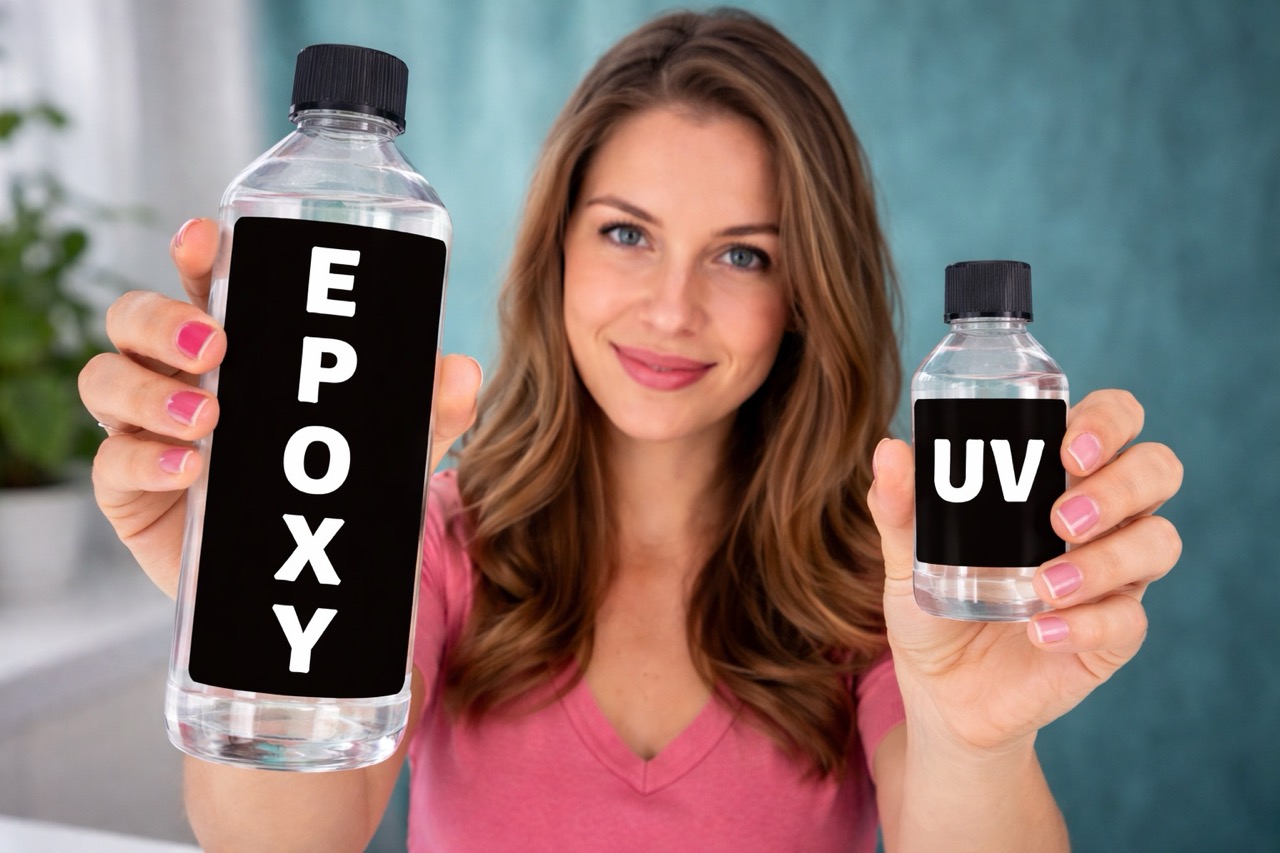
Confused between UV resin and epoxy resin? You're not alone. This is one of the most common questions beginners ask before starting resin art. Both resins are great — but they are used for different purposes. By the end of this guide you'll know exactly which resin is best for you.
What is the Difference Between UV Resin and Epoxy Resin?
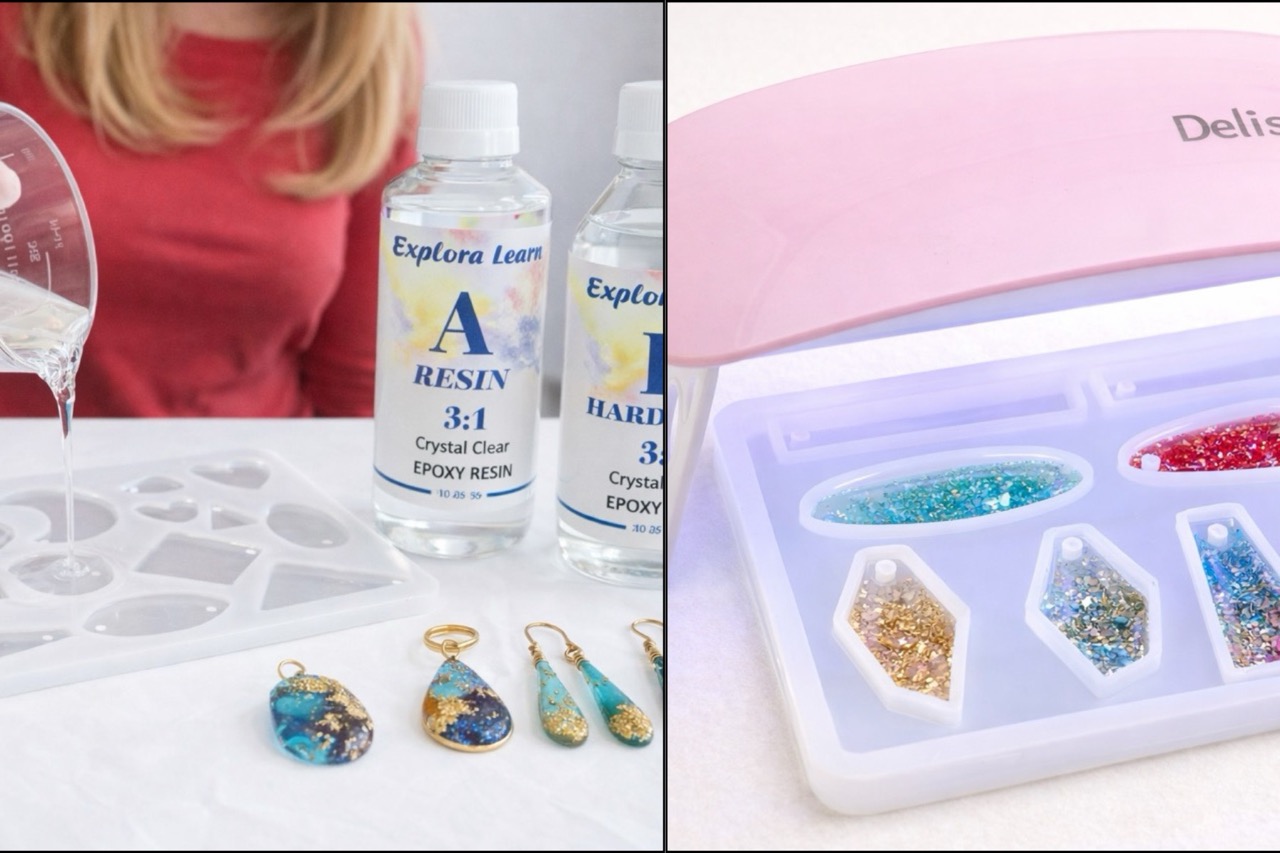
The main difference is in how they cure and how easy they are to use.
- UV Resin — cures under UV light in minutes
- Epoxy Resin — cures naturally over hours after mixing
This single difference changes everything — speed, usage, and project type.
| Feature | UV Resin | Epoxy Resin |
|---|---|---|
| Mixing Required | No | Yes |
| Curing Time | 5–10 minutes | 24–48 hours |
| Ease of Use | Very easy | Moderate |
| Best For | Small items | Large projects |
| Working Time | Very short | 30–45 minutes |
| Layer Thickness | Thin layers only | Thick pours possible |
| Equipment Needed | UV lamp required | No lamp needed |
When Should You Use UV Resin?
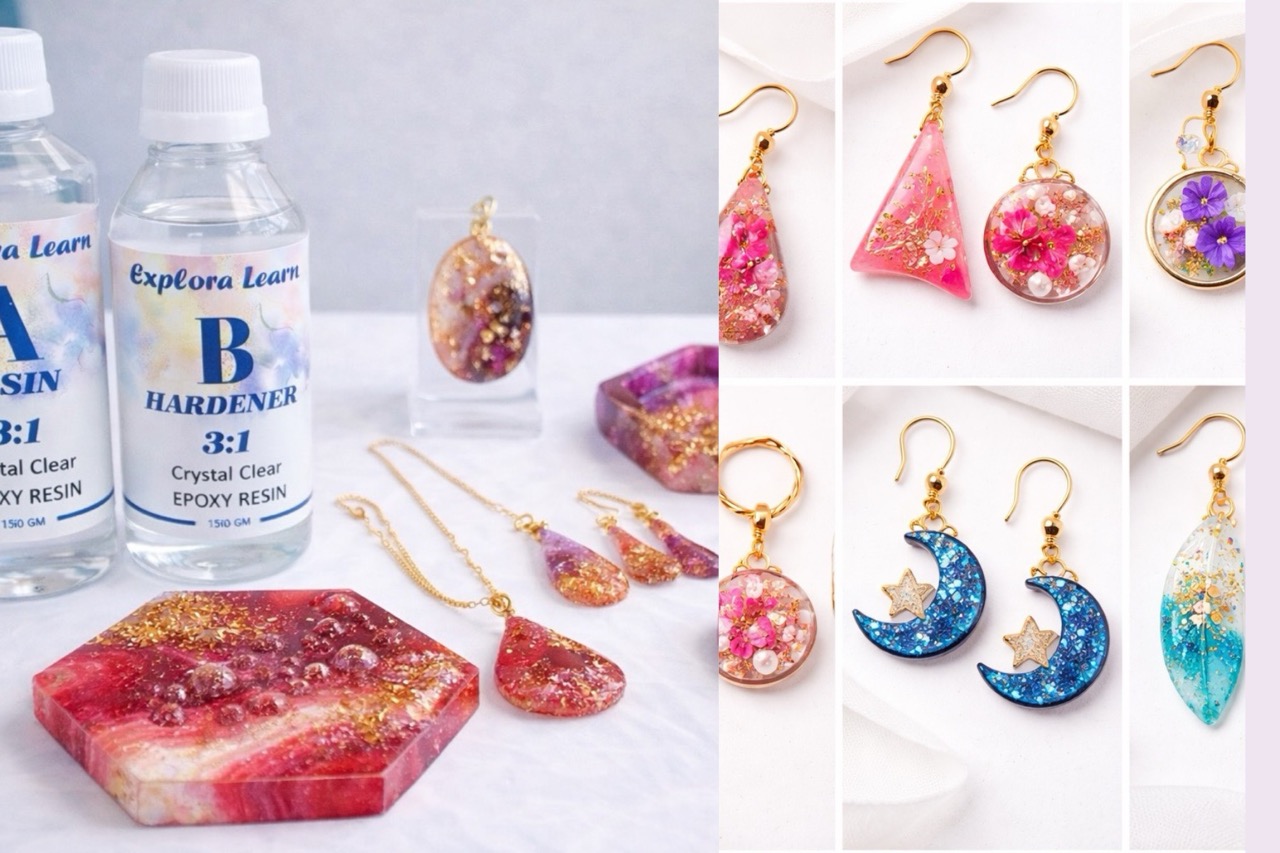
UV resin is perfect if you want quick and easy results.
Best for:
- Jewellery (earrings, pendants)
- Keychains and charms
- Small decorative items
Why choose UV resin:
- No mixing required
- Fast curing in minutes
- Beginner-friendly with less mess
People who want instant results and simple projects without complicated setup.
When Should You Use Epoxy Resin?
Epoxy resin is better for larger and more detailed projects.
Best for:
- Coasters and trays
- Tables and furniture
- Wall art
- Thick resin designs
Why choose epoxy resin:
- Strong and durable finish
- Longer working time for complex designs
- Better for large surfaces
- Can create deep layers
Creative control and bigger designs where strength and depth matter.
Which Resin is Best for Beginners?
Want quick, small projects? Choose UV resin. Want large, detailed work? Choose epoxy resin. Start with UV resin to build confidence, then move to epoxy for advanced projects.
Common Beginner Mistakes
Choosing epoxy resin for small jewellery, using UV resin for large surfaces, and not understanding curing time differences are the three most common mistakes. Choosing the right resin saves time, effort, and frustration.
Pro Tips Before You Choose
- Start small and simple
- Understand your project type before buying
- Choose based on time and complexity
- Practise with one type before moving to the other
- UV resin needs no mixing and cures in 5–10 minutes — perfect for small projects
- Epoxy resin is stronger and better for large, thick designs
- Beginners should start with UV resin for quick confidence-building results
- There is no single "better" resin — only the right resin for your project
- UV resin requires a UV lamp; epoxy resin does not
Frequently Asked Questions
Is UV resin stronger than epoxy resin?
No, epoxy resin is generally stronger and more durable. UV resin is better suited for small decorative items.
Can UV resin replace epoxy resin?
No, UV resin is only suitable for small and thin projects. It cannot be used for thick pours or large surfaces.
Is UV resin safer than epoxy resin?
Both are safe when used properly with basic precautions like gloves and ventilation.
Which resin is easier to use?
UV resin is easier because it requires no mixing or measuring. You simply pour and cure under UV light.
Can I use both types of resin?
Yes. Many resin artists use both — UV resin for small pieces and epoxy resin for larger projects. They complement each other well.